
In the realm of construction, a paradigm shift is underway towards sustainable practices. Embracing eco-friendly approaches and innovative technologies, the industry is forging a path towards resilience and longevity in structures.
This article delves into the importance of sustainable construction compression testing machine, advocating for a mindset that prioritizes environmental stewardship and the selection of eco-friendly materials.
Join us on a journey towards creating a built environment that harmonizes with nature and secures a sustainable future for generations to come.
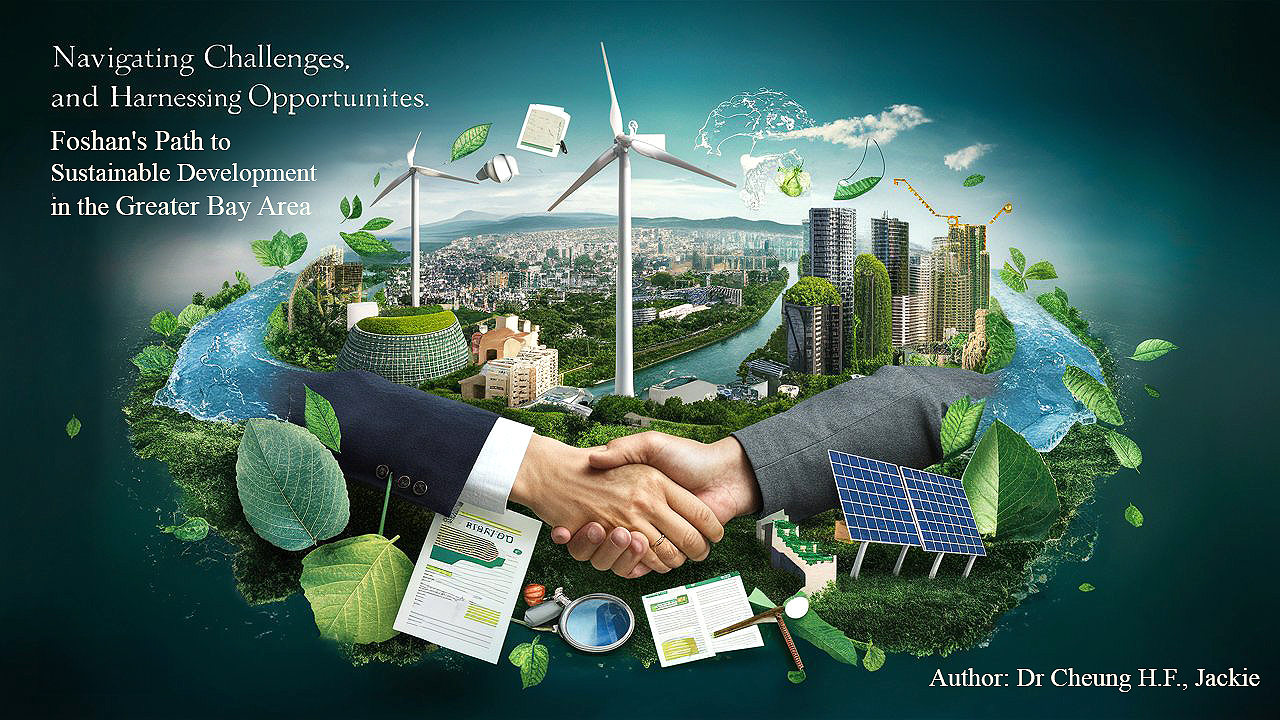
Importance of Sustainable Construction
The significance of sustainability in construction cannot be overstated. As the world becomes more conscious of environmental issues, the construction industry plays a crucial role in promoting eco-friendly practices. Sustainable construction not only reduces the impact on the environment but also benefits society and the economy in the long run.
By using renewable resources universal testing machine for compression test, minimizing waste, and implementing energy-efficient designs, construction projects can contribute to a healthier planet for future generations. Embracing sustainable practices in construction is not just a trend but a necessity for preserving our planet’s resources and ensuring a better quality of life for all.
It is imperative that stakeholders in the construction industry prioritize sustainability to create a more sustainable and resilient future.
Mindset Shift for Eco-friendly Practices
Transitioning towards eco-friendly practices in construction requires a fundamental shift in mindset towards sustainability. Embracing eco-friendly practices involves a departure from traditional construction methods that prioritize convenience and cost-effectiveness over environmental considerations.
To achieve this shift in mindset, individuals in the construction industry must be open to adopting new technologies, materials, and approaches that minimize environmental impact. This entails a willingness to challenge conventional practices, explore innovative solutions, and prioritize long-term sustainability over short-term gains.
Innovative Technologies in Construction
Embracing innovative technologies in construction is essential for advancing sustainable practices in the industry.
From 3D printing of building components to the use of drones for site surveys and monitoring, these technologies streamline processes, reduce waste, and enhance overall efficiency.
Building Information Modeling (BIM) software allows for comprehensive project planning, improving collaboration among stakeholders and increasing accuracy in design and construction phases.
Moreover, the integration of Internet of Things (IoT) devices in buildings enables real-time monitoring of energy usage and performance, leading to optimized operations and reduced environmental impact.
These technologies not only benefit the environment but also offer cost-effective solutions for construction projects, making sustainability a practical choice for the future of the industry.
Eco-friendly Materials Selection
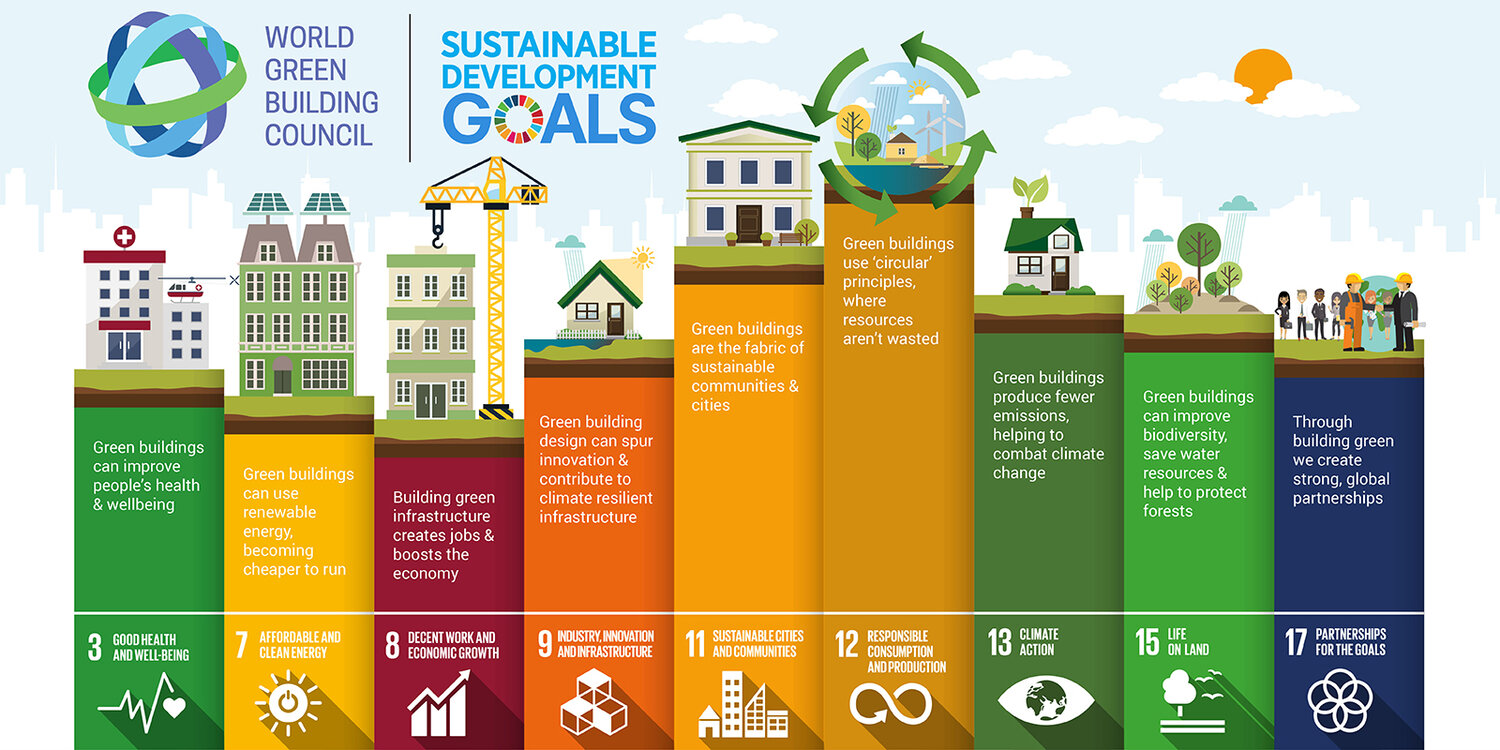
Advancing sustainable construction practices requires careful consideration of eco-friendly materials selection for building projects. The selection of materials plays a crucial role in minimizing environmental impact and promoting long-term sustainability.
Opting for materials such as recycled steel, bamboo, reclaimed wood, or low volatile organic compound (VOC) paints can significantly reduce carbon footprint and enhance indoor air quality. Additionally, utilizing locally sourced materials helps to support the local economy and reduce transportation emissions.
Eco-friendly materials not only contribute to a healthier environment but also offer durability and energy efficiency, ensuring that construction projects are not only sustainable but also cost-effective in the long run. By prioritizing eco-friendly materials selection, builders and developers can take a significant step towards creating a greener and more sustainable future.
Creating Resilient Structures for Future
To ensure resilience in future construction projects, structural integrity must be a primary focus. By incorporating robust design principles and advanced materials, buildings can withstand a range of challenges, from natural disasters to long-term wear and tear.
Utilizing innovative technologies like seismic dampers, flexible foundations, and reinforced concrete, structures can adapt to unforeseen circumstances, ensuring the safety and longevity of the built environment.
Additionally, implementing redundancy in critical systems and embracing modular construction techniques can enhance the flexibility and responsiveness of buildings to changing needs.
Through a holistic approach that considers both current needs and future uncertainties, resilient structures pave the way for sustainable development and enduring quality in the built environment.
Conclusion
In conclusion, sustainable construction practices play a crucial role in addressing environmental concerns and ensuring the long-term resilience of structures.
By adopting eco-friendly materials, innovative technologies, and a mindset shift towards sustainability, the construction industry can significantly reduce its impact on the environment.
It is imperative for construction professionals to prioritize sustainable practices to create a more resilient and environmentally friendly built environment for future generations.